New VM Network Troubleshooter in Azure Portal: Faster Diagnostics, Less Guesswork

Hello Azure Community,

I wanted to share a useful enhancement now available in public preview — especially for those of us who spend way too much time digging into VM connectivity issues. Microsoft has introduced a VM Network Troubleshooter directly in the Azure Portal.

This update brings a lightweight but effective diagnostic tool to the VM Overview blade, helping us quickly identify blocked network ports. It’s a great improvement that makes those “why can’t I connect to my VM?” moments far less frustrating.

Continue reading “New VM Network Troubleshooter in Azure Portal: Faster Diagnostics, Less Guesswork”

Azure Traffic Manager Now Offers 100% SLA for Global DNS Resolution

Hello Azure Community,

I wanted to share a quick update that may seem small at first glance but actually carries significant weight when it comes to availability and trust in your global applications. Azure Traffic Manager has officially raised its SLA for DNS resolution to 100%. Yes, you read that right — 100% SLA for all global DNS queries.

As someone who works closely with clients running multi-region or latency-sensitive applications, I can’t overstate how important this is. DNS resolution is a foundational layer, and knowing it’s now backed by a full SLA gives us a stronger guarantee of reliability — without any action required on our part.

Continue reading “Azure Traffic Manager Now Offers 100% SLA for Global DNS Resolution”

Architecture considerations for Azure virtual network terminal access point (TAP)

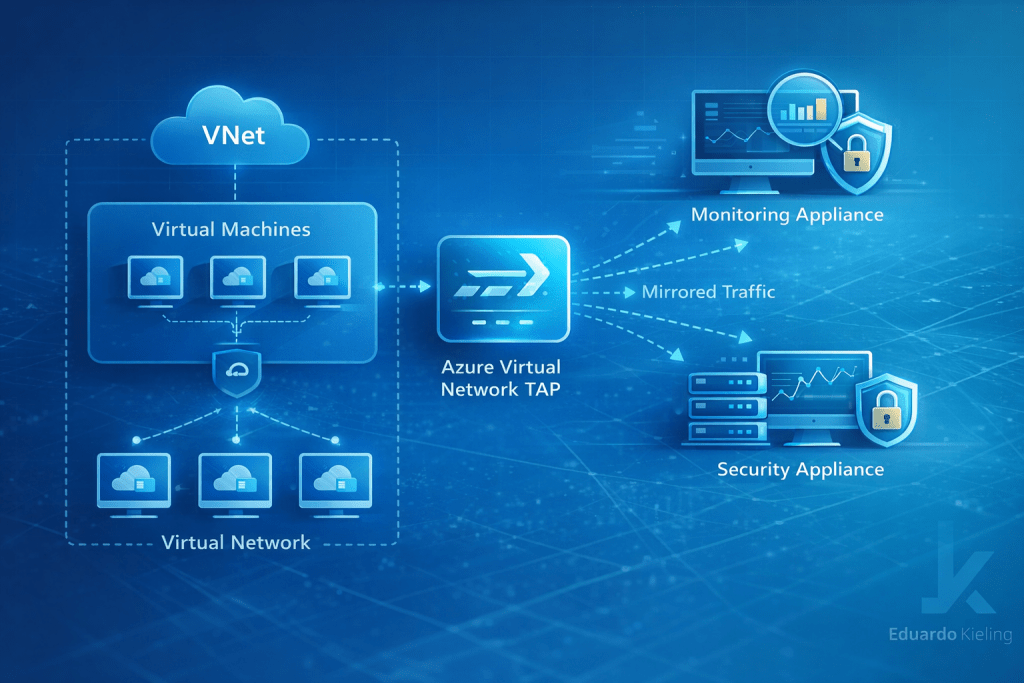
Modern cloud environments require strong visibility into network activity. As organizations move critical workloads to Azure, traditional monitoring techniques based on physical infrastructure often become harder to implement. Security teams, network engineers, and operations teams still need ways to inspect traffic patterns, analyze anomalies, and troubleshoot complex connectivity scenarios.

Azure Virtual Network TAP introduces a capability designed to support these needs by allowing traffic mirroring from virtual machines inside a virtual network. Instead of inserting inspection tools directly into the production path, the feature allows traffic to be copied and sent to monitoring systems. This approach enables detailed analysis without interfering with application performance or introducing additional points of failure.

Continue reading “Architecture considerations for Azure virtual network terminal access point (TAP)”

Azure Compute Fleet overview and initial observations


Hello everyone,

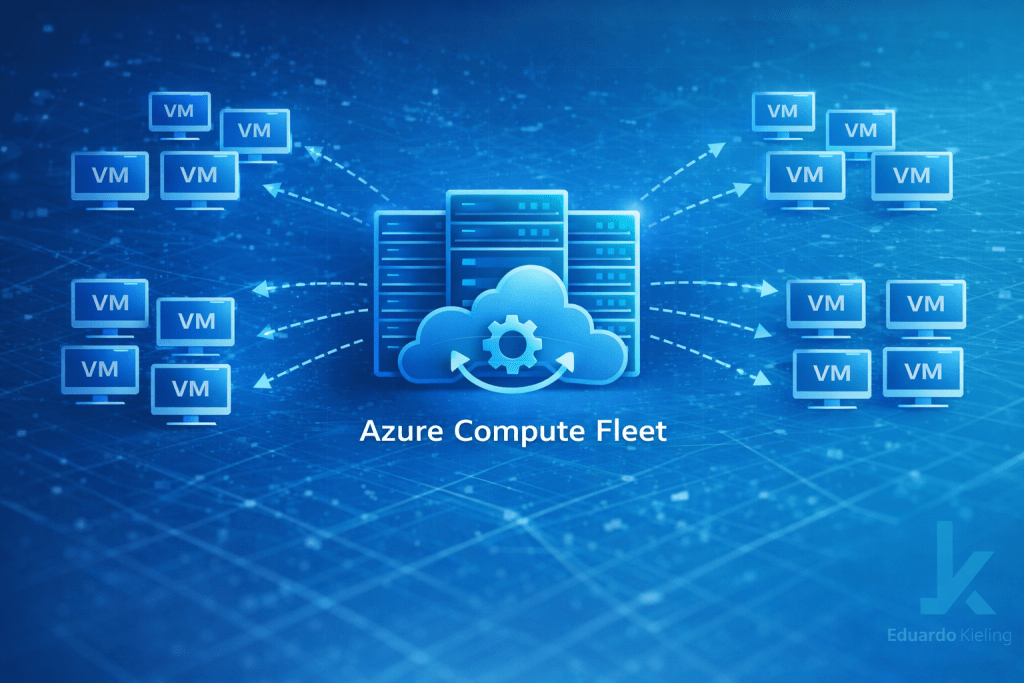
Over the last months Microsoft has been introducing several improvements around large-scale infrastructure management in Azure. One capability that caught my attention recently is Azure Compute Fleet, which aims to simplify the orchestration of large groups of compute resources.

Managing many virtual machines individually can become complex as environments grow. Azure Compute Fleet introduces a way to treat multiple compute resources as a coordinated group, making it easier to deploy, scale, and operate workloads that require large amounts of compute capacity.

Continue reading “Azure Compute Fleet overview and initial observations”

Enhancing Security and Compliance with Azure NetApp Files Access Logs

Hello Azure Community,

I wanted to bring attention to an exciting new feature that just landed in public preview: Azure NetApp Files File Access Logs. If you’re dealing with enterprise-scale storage or managing sensitive data, this is something you’ll want to be aware of.

We all know how critical visibility is in modern cloud environments. Whether you’re addressing compliance requirements, hunting down unusual activity, or simply optimizing operations, detailed file access logging can make a huge difference. And now, Azure NetApp Files delivers exactly that.

Continue reading “Enhancing Security and Compliance with Azure NetApp Files Access Logs”

Increased VNet limits for Private Endpoints explained

Hello everyone,

One update that recently caught my attention in Azure networking is the increase in the number of Private Endpoints supported within a Virtual Network. While it may sound like a simple platform limit change, it actually has important implications for organizations building large private connectivity architectures in Azure.

As more services adopt private connectivity patterns, Private Endpoints have become a key component in securing communication between applications and platform services.

Continue reading “Increased VNet limits for Private Endpoints explained”

Azure Migrate Now Supports Premium SSD v2 Disks – More Performance, More Flexibility

Hello Azure Community,

Migrating workloads to the cloud requires a balance between performance, scalability, and cost-efficiency. Azure has taken another step forward by introducing support for Premium SSD v2 disks in Azure Migrate, making it easier for businesses to move high-performance applications while benefiting from the latest storage advancements.

Continue reading “Azure Migrate Now Supports Premium SSD v2 Disks – More Performance, More Flexibility”

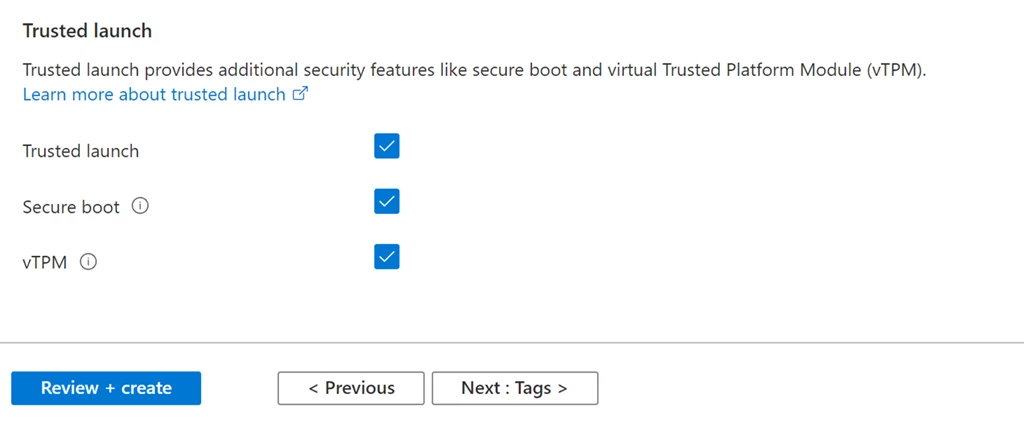
Upgrading Existing Azure Generation 1 Virtual Machines to Trusted Launch

Hello Azure Community,

As cybersecurity threats evolve, ensuring that cloud-based workloads are protected against vulnerabilities is more critical than ever. Microsoft Azure provides Trusted Launch to enhance the security of virtual machines (VMs) with Secure Boot and virtual Trusted Platform Module (vTPM) features, helping to defend against rootkits, firmware attacks, and other sophisticated threats.

Trusted Launch is natively supported on Generation 2 VMs, but organizations running Generation 1 VMs can now upgrade them to benefit from these security enhancements. This guide outlines the necessary steps to perform a smooth transition while minimizing downtime and avoiding configuration issues.

Continue reading “Upgrading Existing Azure Generation 1 Virtual Machines to Trusted Launch”

Azure Front Door Premium Expands Private Link Support to New Origin Types

Dear Azure Community,

Azure Front Door Premium has expanded its capabilities by introducing support for additional origin types through Azure Private Link. This enhancement allows organizations to securely integrate services such as Application Gateway, API Management, and Azure Container Apps as origins, ensuring that these services remain inaccessible from the public internet while delivering content through public Front Door endpoints.

Continue reading “Azure Front Door Premium Expands Private Link Support to New Origin Types”

Enhancing Flexibility with Azure Backup’s Cross-Subscription Restore

Hello Azure Community,

Azure Backup has introduced the Cross-Subscription Restore (CSR) feature, empowering users to restore Azure Virtual Machines (VMs) and their associated data across different subscriptions within the same tenant. This advancement offers greater flexibility in managing backup and disaster recovery strategies.

Continue reading “Enhancing Flexibility with Azure Backup’s Cross-Subscription Restore”