Ephemeral OS Disk with full caching for VM and VM scale sets overview

Hello everyone,

Performance optimization is a common objective when designing cloud infrastructure. In Azure, one of the techniques available for improving VM startup speed and disk performance is the use of Ephemeral OS Disks.

A recent enhancement introduces the ability to use full caching with Ephemeral OS Disks for Virtual Machines and VM Scale Sets, offering improved performance characteristics for specific workload scenarios.

Continue reading “Ephemeral OS Disk with full caching for VM and VM scale sets overview”
Azure confidential VM series overview (DCesv6 and ECesv6)

Hello everyone,

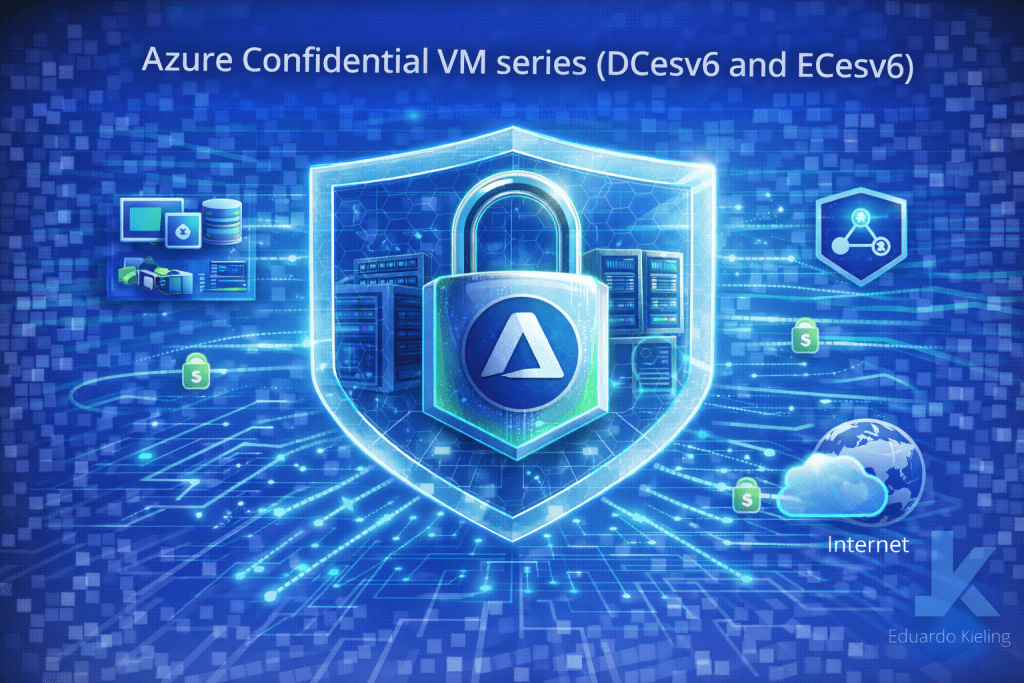
Security requirements for cloud workloads continue to evolve, especially for organizations handling sensitive data. To address these needs, Azure provides Confidential Virtual Machines, which add hardware-based protections to help secure data while it is being processed.

The DCesv6 and ECesv6 VM series represent the latest generation of Azure confidential compute options, designed to provide stronger protections for sensitive workloads running in the cloud.

Continue reading “Azure confidential VM series overview (DCesv6 and ECesv6)”

Azure AMD Turin VM series overview

Hello everyone,

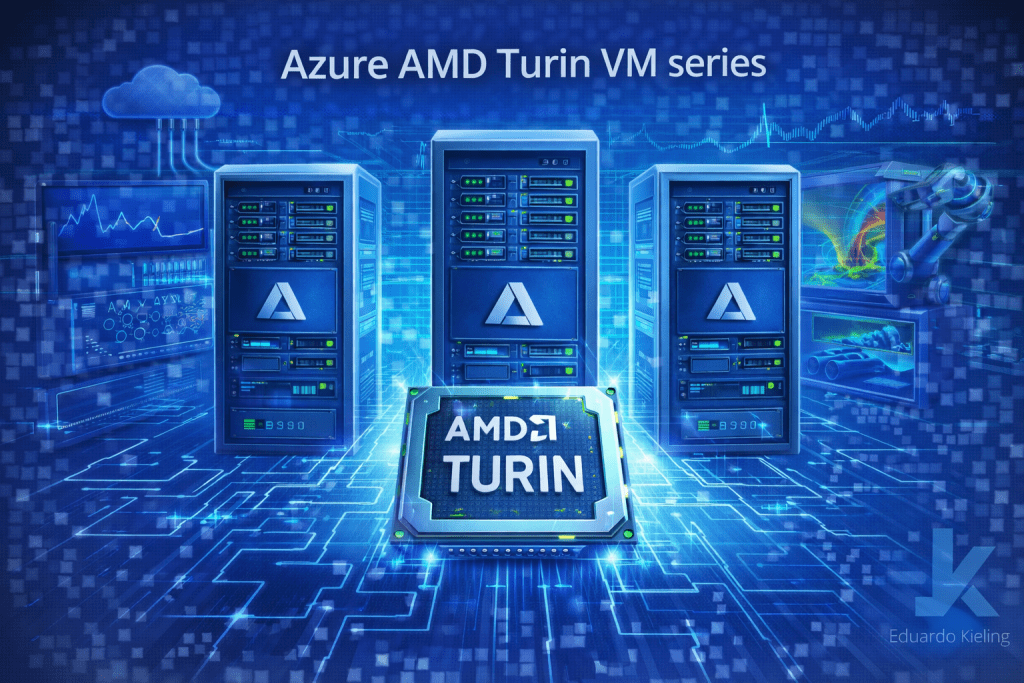
Azure continues to expand its compute portfolio with new processor generations designed to improve performance and efficiency. One of the latest additions is the Azure AMD Turin VM series, which brings a new option for organizations looking to run demanding compute workloads on modern infrastructure.

For teams evaluating new VM families, this is an update worth paying attention to.

Continue reading “Azure AMD Turin VM series overview”

Using the Azure pricing calculator for cloud-native Kubernetes workloads

Hello everyone,

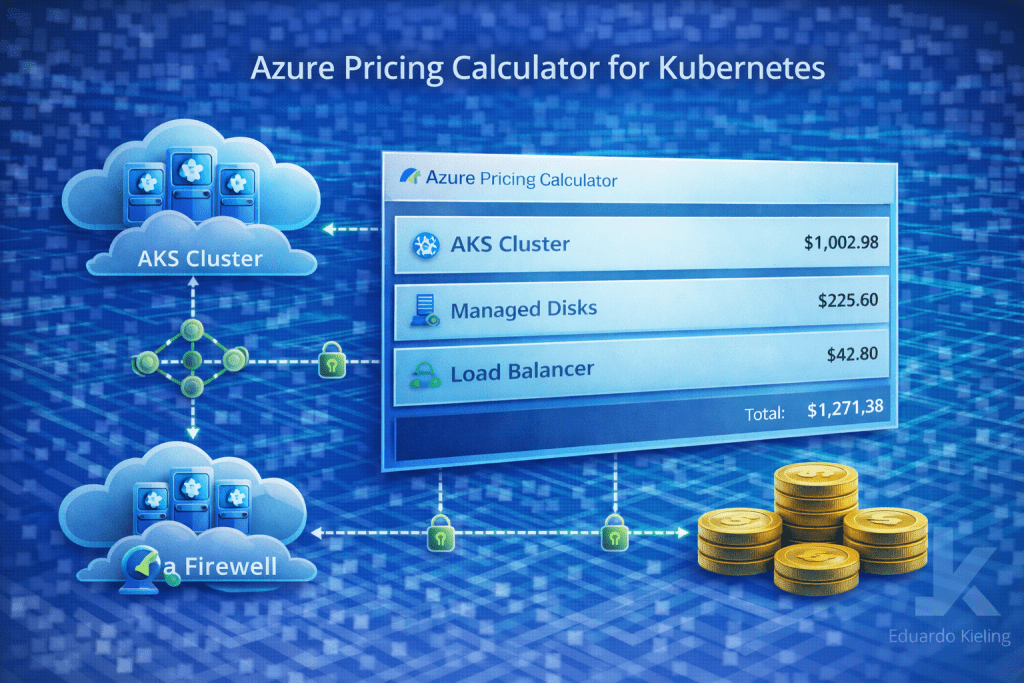
Estimating infrastructure costs is a key step when designing cloud-native architectures. In environments that rely on Kubernetes, understanding the cost impact of compute, networking, and storage components becomes especially important.

The Azure Pricing Calculator provides a practical way to estimate the expected costs of running Kubernetes-based workloads in Azure before resources are deployed.

Continue reading “Using the Azure pricing calculator for cloud-native Kubernetes workloads”

Understanding the storage performance capabilities of Ebsv6 VMs

As cloud workloads continue to evolve, storage performance has become a critical factor in infrastructure design. Many modern applications depend not only on CPU and memory resources, but also on the ability to process large volumes of data with low latency.

The Azure Ebsv6 virtual machine series introduces improvements specifically focused on storage performance, making it a compelling option for workloads that require high disk throughput and large I/O operations.

Continue reading “Understanding the storage performance capabilities of Ebsv6 VMs”

Understanding Azure Spot Placement Score

Hello everyone,

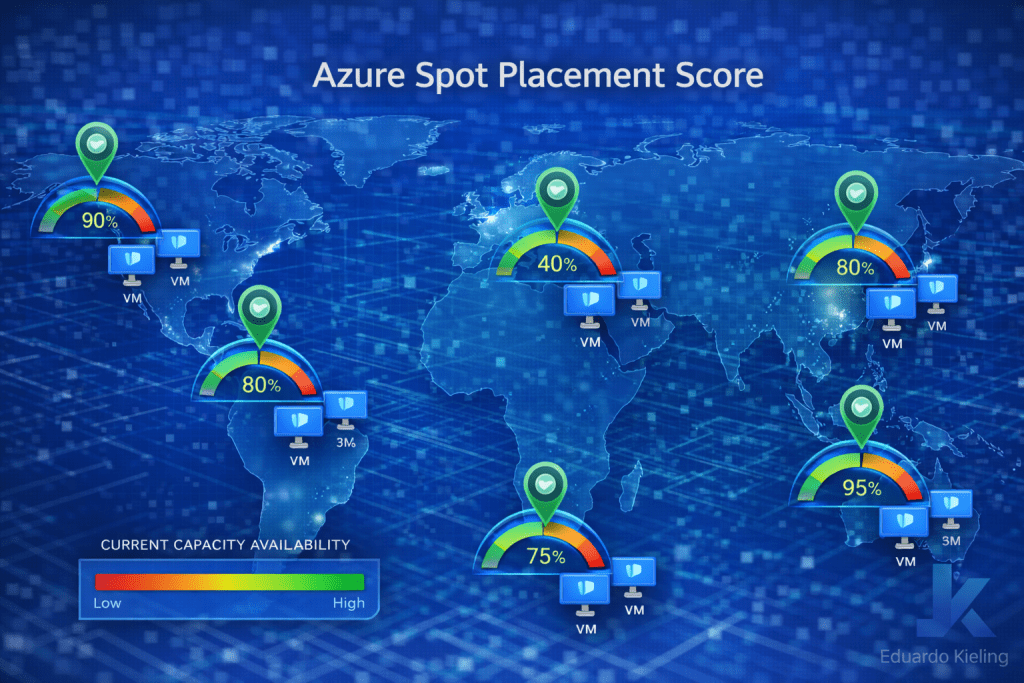
Azure Spot Virtual Machines are widely used to run cost-optimized workloads by leveraging unused Azure compute capacity. While they can significantly reduce infrastructure costs, one of the challenges when working with Spot VMs is understanding where capacity is more likely to be available.

This is where the Azure Spot Placement Score becomes useful.

Continue reading “Understanding Azure Spot Placement Score”

Azure Compute Gallery Soft Delete feature overview

Hello everyone,

Managing VM images efficiently is an important part of operating large-scale Azure environments. Many organizations rely on Azure Compute Gallery to distribute standardized virtual machine images across regions, subscriptions, and environments.

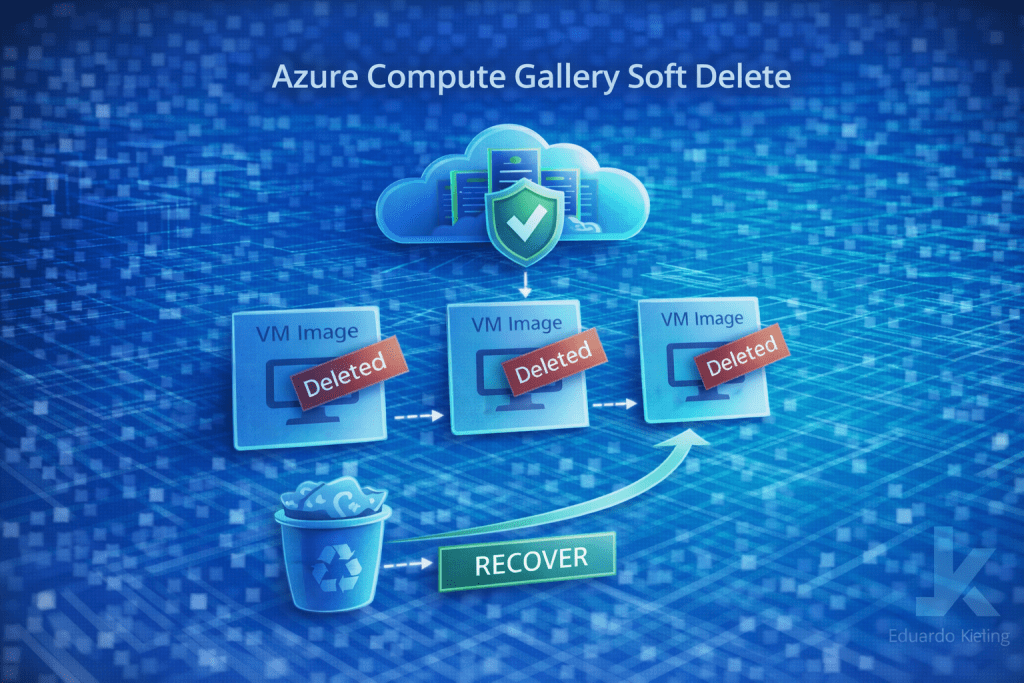
To improve operational safety, Azure now includes a Soft Delete capability for Azure Compute Gallery, helping protect image repositories from accidental deletion.

Continue reading “Azure Compute Gallery Soft Delete feature overview”

Azure Esv6 and Edsv6 large VM sizes overview

Hello everyone,

Azure continues to expand its compute portfolio with larger virtual machine sizes designed for demanding enterprise workloads. One of the recent updates introduces new large VM sizes in the Esv6 and Edsv6 series, offering higher vCPU configurations for applications that require significant compute capacity.

These new options are particularly relevant for organizations running workloads that scale vertically and benefit from a large number of CPU cores.

Continue reading “Azure Esv6 and Edsv6 large VM sizes overview”

Enabling Trusted Launch on existing virtual machine scale sets

Security in cloud environments is no longer only about perimeter controls. Increasingly, protection needs to start at the infrastructure level, including how virtual machines are initialized and validated during boot.

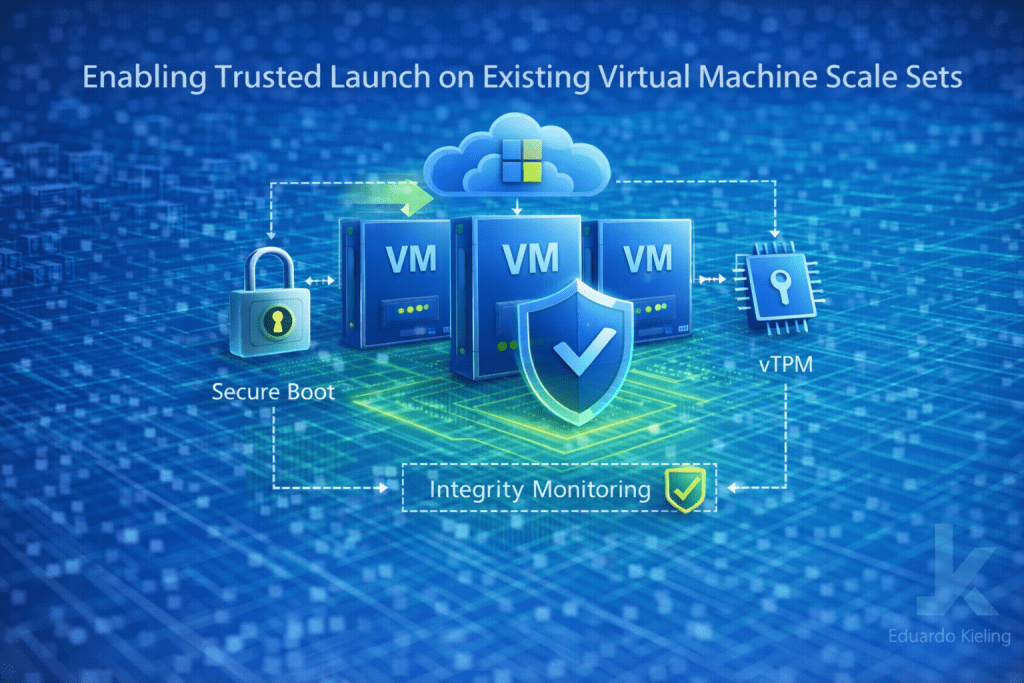
Azure Trusted Launch is a feature designed to address this challenge. While many new deployments already benefit from it by default, an important question remains for many organizations: how can Trusted Launch be enabled on existing virtual machine scale sets?

This article explores that transition and highlights the architectural and operational implications involved.

Continue reading “Enabling Trusted Launch on existing virtual machine scale sets”

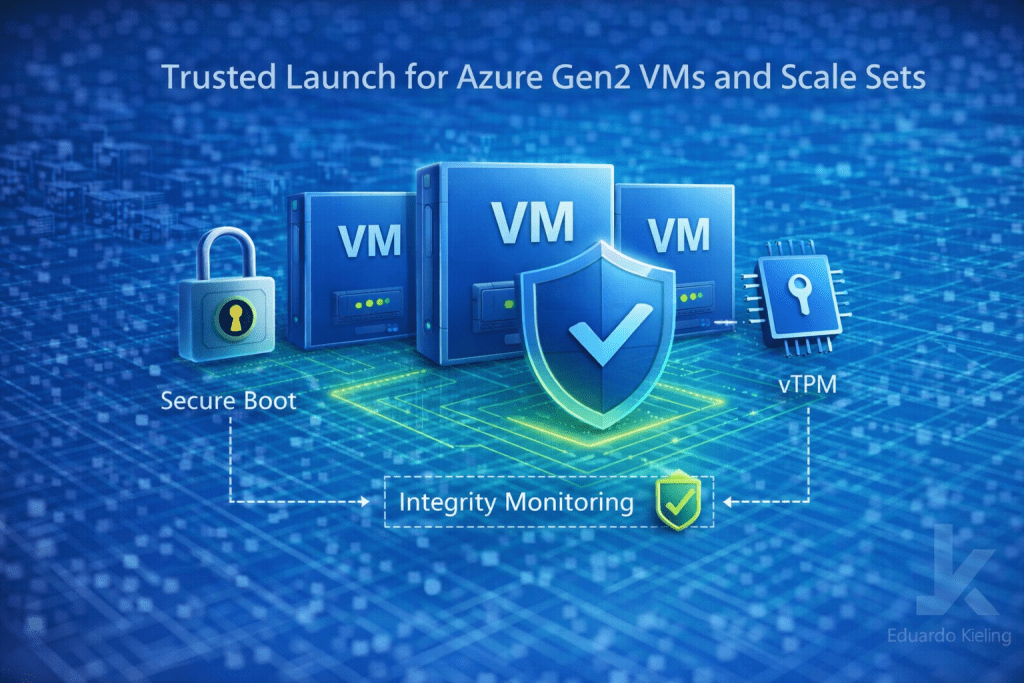
Trusted launch default for new Gen2 VMs and scale sets explained

Hello everyone,

Azure continues to strengthen the security posture of its compute platform, and one recent change moves in that direction: Trusted Launch is becoming the default configuration for new Generation 2 virtual machines and VM scale sets.

Instead of requiring administrators to explicitly enable this feature, new deployments will automatically include these protections by default.

Continue reading “Trusted launch default for new Gen2 VMs and scale sets explained”