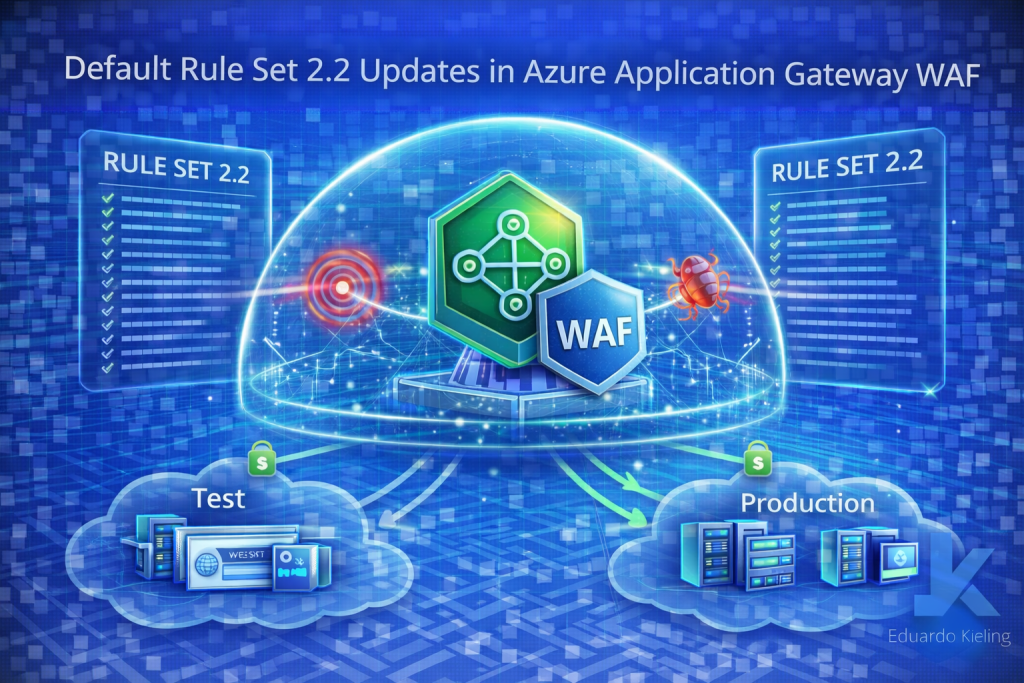
Updates to Default Rule Set 2.2 in Azure Application Gateway WAF

Hello everyone,

Web application protection is a fundamental component of modern cloud architectures. In Azure environments, the Web Application Firewall (WAF) for Application Gateway plays a central role in protecting applications against common threats such as SQL injection, cross-site scripting, and other web-based attacks.

With the release of Default Rule Set (DRS) 2.2, Azure introduces several improvements that help organizations strengthen their protection strategies while maintaining operational flexibility.

Continue reading “Updates to Default Rule Set 2.2 in Azure Application Gateway WAF”
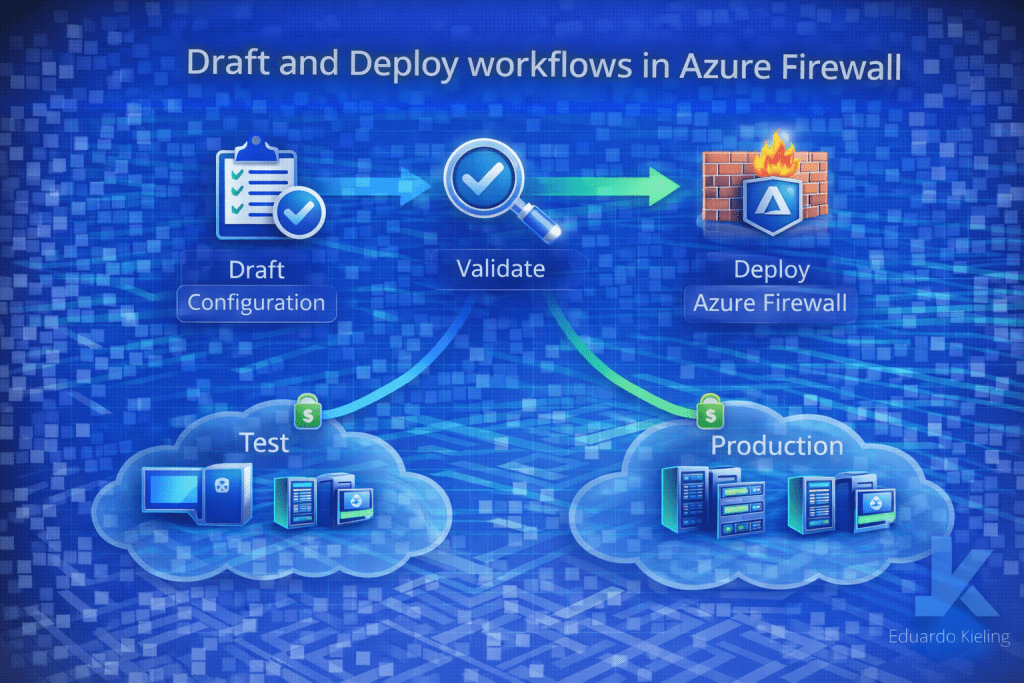

Implementing Draft and Deploy workflows in Azure Firewall

Managing network security policies in large Azure environments requires careful control over how changes are introduced. Firewall configurations directly impact traffic flow, application availability, and security posture, which means even small changes must be handled with precision.

The Draft and Deploy workflow in Azure Firewall introduces a structured approach to policy management, allowing teams to prepare, validate, and safely apply configuration changes.

Continue reading “Implementing Draft and Deploy workflows in Azure Firewall”

WAF Insights for Application Gateway overview

Hello everyone,

Operating web-facing applications in the cloud usually means combining load balancing, application delivery, and security controls. In Azure, Application Gateway with Web Application Firewall (WAF) is commonly used to protect web workloads from common threats while routing traffic to backend services.

A new capability called WAF Insights introduces improved visibility into how the firewall is operating and how web traffic interacts with security policies.

Continue reading “WAF Insights for Application Gateway overview”

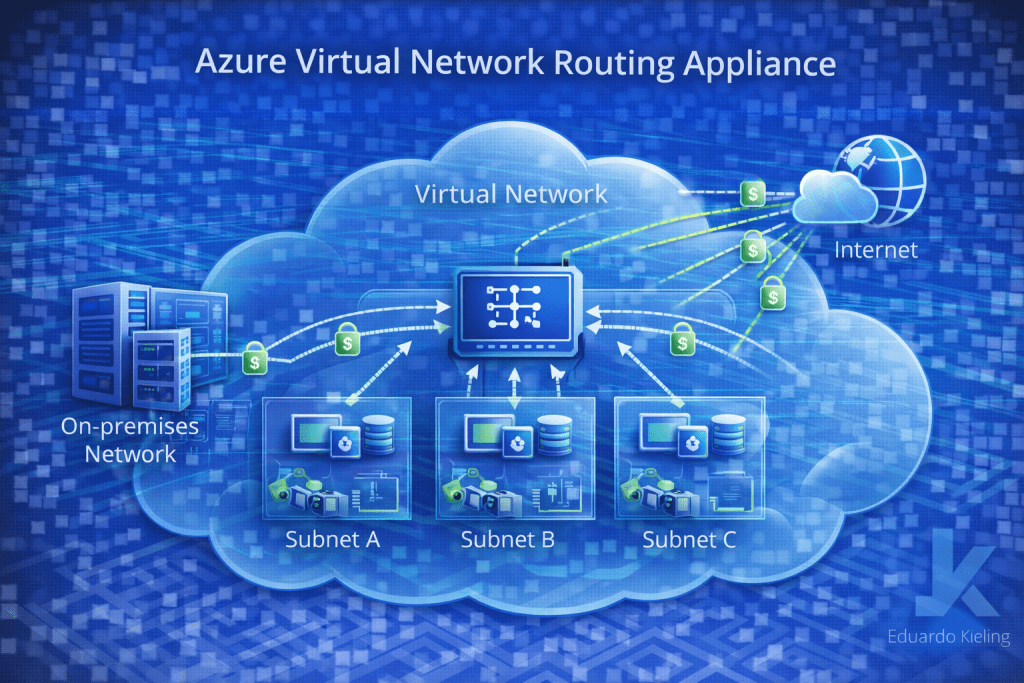
Technical overview of the Azure virtual network routing appliance

As Azure environments continue to grow in complexity, networking architectures increasingly require more advanced traffic control and routing capabilities. Enterprise environments often integrate multiple connectivity models such as virtual networks, hybrid connectivity, security appliances, and multi-tier application platforms.

The concept of a Virtual Network Routing Appliance in Azure introduces a new way to handle routing behavior inside complex network topologies. It allows architects to define more flexible traffic control patterns while maintaining centralized visibility over how traffic flows between workloads.

Continue reading “Technical overview of the Azure virtual network routing appliance”

Overview of StandardV2 NAT Gateway with zone-redundancy

Hello everyone,

Outbound connectivity is an essential component of most cloud architectures. Many workloads running in Azure require controlled access to external services, software repositories, APIs, and update platforms.

The StandardV2 NAT Gateway introduces improvements that simplify outbound connectivity design while also supporting more resilient architectures through zone-redundancy.

Continue reading “Overview of StandardV2 NAT Gateway with zone-redundancy”

Operational insights on StandardV2 NAT Gateway with zone redundancy

Outbound connectivity is a fundamental aspect of many Azure workloads. Virtual machines, containers, and platform services often require controlled access to the internet for updates, API integrations, or external services.

Azure NAT Gateway has long provided a scalable and managed way to handle outbound connectivity. With the introduction of the StandardV2 NAT Gateway, organizations gain additional operational capabilities and improved support for resilient network architectures.

Continue reading “Operational insights on StandardV2 NAT Gateway with zone redundancy”

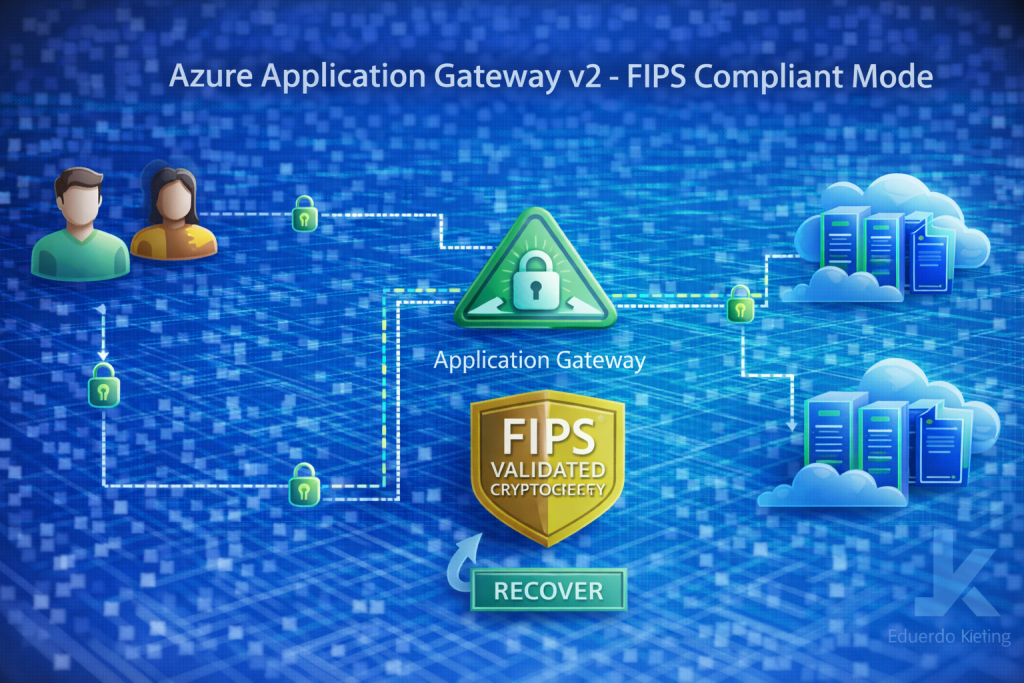
Understanding FIPS compliant mode for Application Gateway v2

Security and regulatory compliance are key considerations when designing enterprise architectures in Azure. Many industries, including government, finance, and healthcare, must follow strict cryptographic standards to ensure that sensitive data is processed using validated security mechanisms.

To support these requirements, Azure Application Gateway v2 introduces a FIPS compliant mode. This capability enables organizations to enforce cryptographic operations that align with the Federal Information Processing Standards (FIPS).

Continue reading “Understanding FIPS compliant mode for Application Gateway v2”

Getting started with DNS flow trace logs for Azure Firewall

Hello everyone,

DNS is one of those services that quietly sits behind almost every application workflow. Even when everything else looks healthy, DNS behavior can often explain connectivity issues, unexpected traffic paths, or security concerns that are not immediately visible at the network layer.

That is why the introduction of DNS flow trace logs for Azure Firewall is a very useful improvement for day-to-day operations.

Continue reading “Getting started with DNS flow trace logs for Azure Firewall”

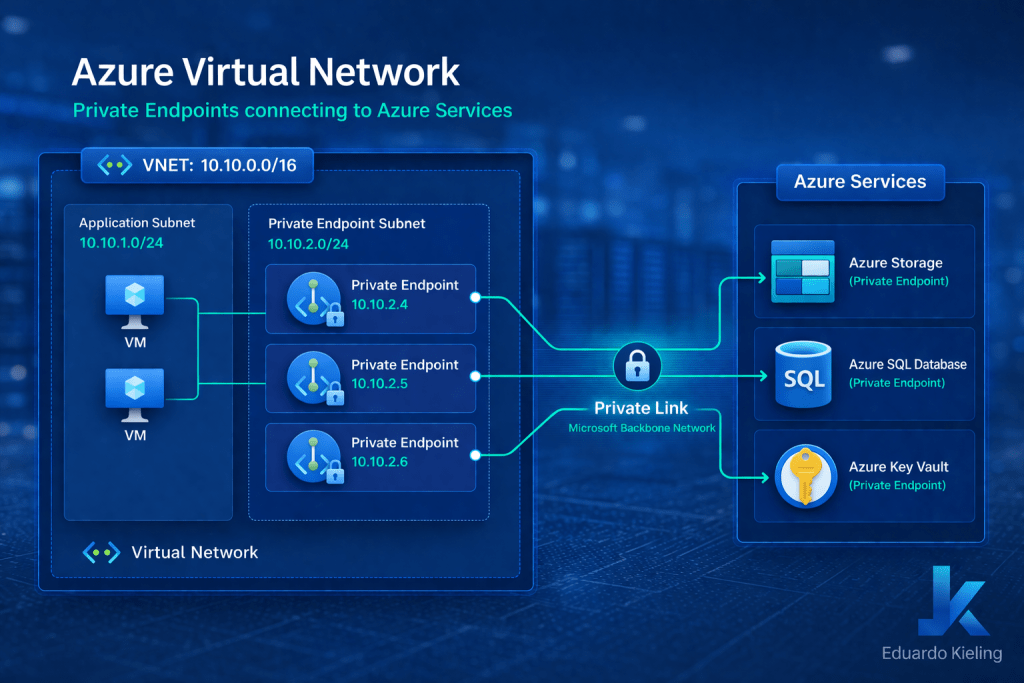
Design patterns for high scale Private Endpoints in Azure

Private connectivity has become a central element of secure cloud architectures. As organizations increasingly adopt platform services in Azure, controlling how those services are accessed from internal workloads becomes an important architectural concern.

Azure Private Endpoints provide a mechanism to expose platform services through private IP addresses within a virtual network. Instead of accessing services through public endpoints, workloads communicate with them privately through the Azure backbone network.

While this capability is straightforward for small environments, designing architectures that support large-scale Private Endpoint deployments introduces additional considerations.

Continue reading “Design patterns for high scale Private Endpoints in Azure”

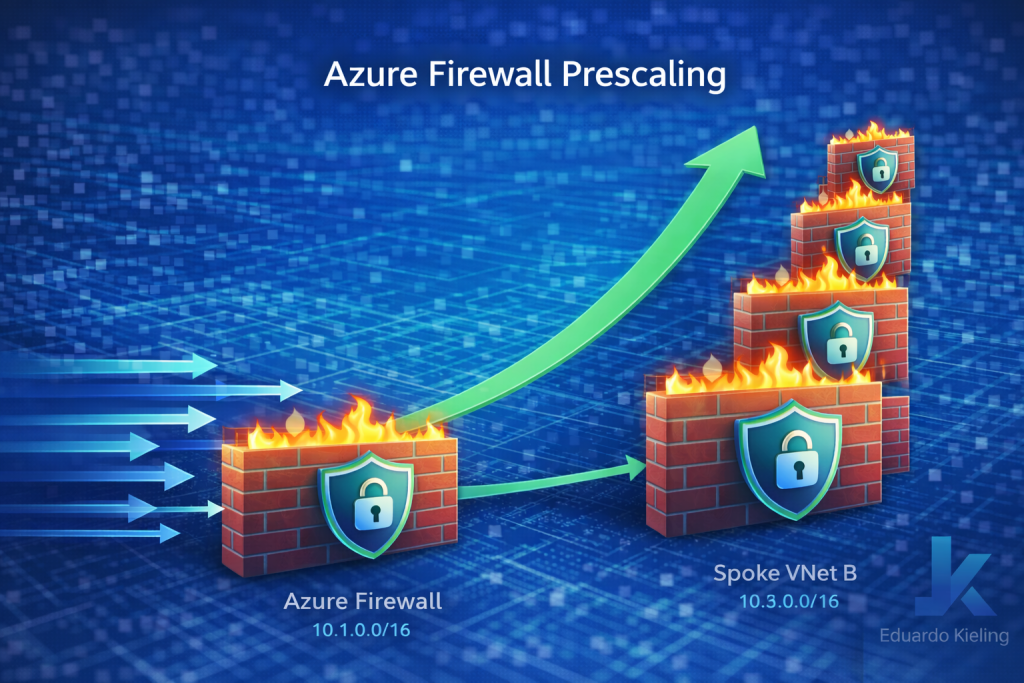
Azure Firewall prescaling capabilities overview

Hello everyone,

Azure Firewall is widely used as a central security control in many enterprise network architectures. As environments grow and traffic patterns become more dynamic, maintaining predictable performance for inspection and filtering becomes increasingly important.

A recently introduced capability known as Azure Firewall prescaling helps address this challenge by allowing organizations to prepare firewall capacity ahead of expected traffic increases.

Continue reading “Azure Firewall prescaling capabilities overview”